- Þjónusta
- Mannlíf
- Stjórnsýsla
- Sveitarstjórn, ráð og stjórnir
- Sveitarstjóri
- Sveitarstjórn
- Byggðarráð
- Fjölskylduráð
- Umhverfis- og framkvæmdaráð
- Heimastjórn Borgarfjarðar
- Heimastjórn Djúpavogs
- Heimastjórn Fljótsdalshéraðs
- Heimastjórn Seyðisfjarðar
- Ungmennaráð
- Öldungaráð
- Samráðshópur, málefni fatlaðs fólks
- Yfirkjörstjórn
- Stjórn HEF veitna
- Sameiginlegar nefndir og stjórnir
- Fundadagatal allra nefnda og ráða
- Fundargerðir ráða og nefnda
- Skipurit stjórnsýslunnar
- Reglur, samþykktir og stefnur
- Starfsemin
- Persónuvernd
- Fjármál
- Útgefið efni og auglýsingar
- Byggðarkjarnar
- Kosningar
- Sveitarstjórn, ráð og stjórnir
- Mínar síður
Náttúruvá á Seyðisfirði: Kynning og samtal við íbúa
Herðubreið, Seyðisfirði
22. september 2026 kl. 10:30
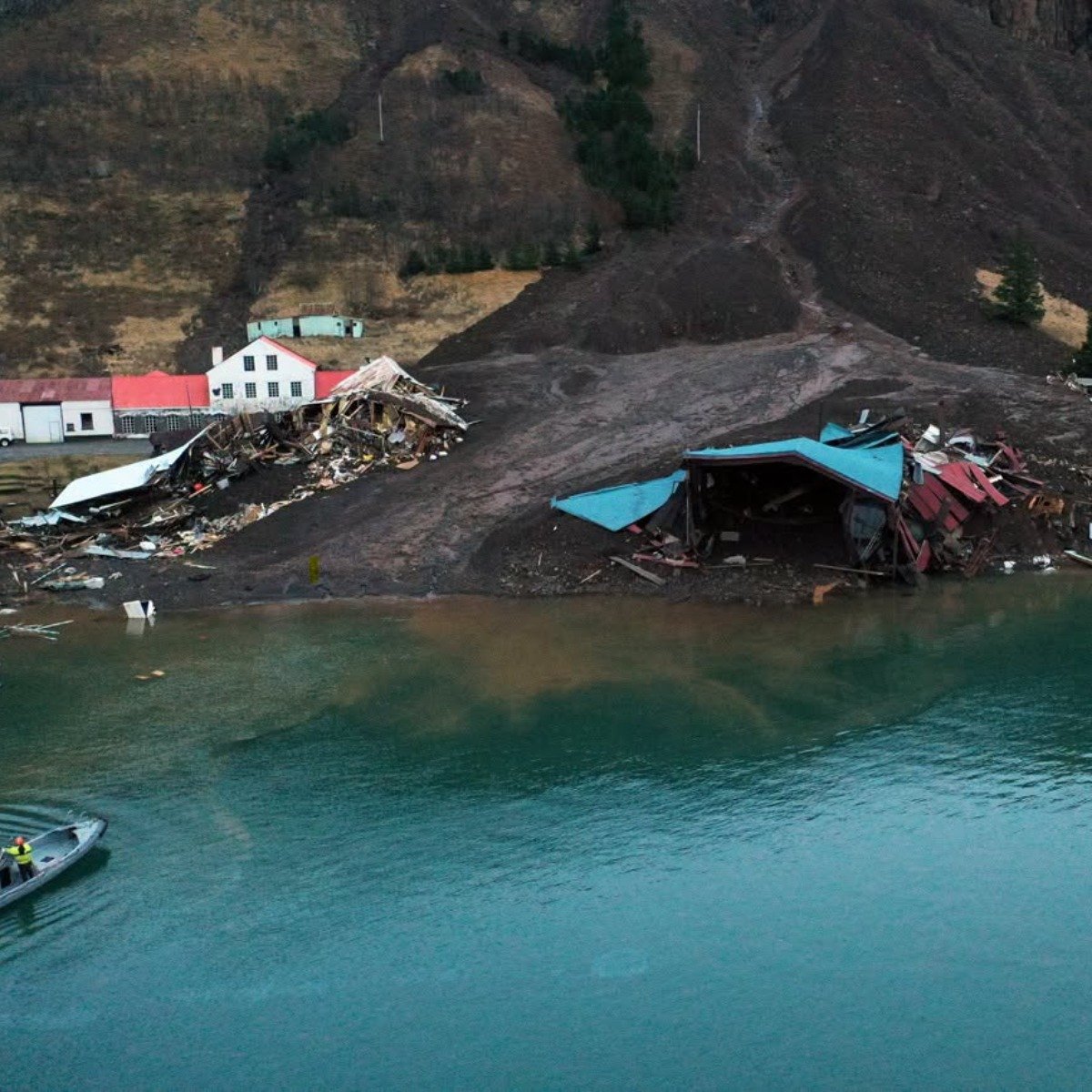
Ísland hefur tekið þátt í evrópsku verkefni sem snýst um að þróa leiðir til að draga úr hættu vegna hamfara af völdum loftslagsbreytinga, með áherslu á vöktun og upplýsingamiðlun. Valin voru tíu dæmisvæði víðs vegar um Evrópu þar sem íbúar búa við mismunandi náttúruvá. Á Íslandi var Seyðisfjörður aðaldæmisvæðið og þar var unnið með ofanflóðahættu. Markmið íslenska hópsins var að þróa nýjan vef fyrir íbúa sem búa við náttúruvá, þar sem helstu upplýsingar og bjargir væru aðgengilegar á einum stað.
Nú hillir undir lok verkefnisins og tímabært er að kynna fræðsluefnið og nýju vefina. Þetta er síðasti hluti verkefnisins og gott tækifæri til að fá viðbrögð íbúa áður en lokaútgáfur verða settar í loftið.
Verkefnið, svokallað HuT, hefur staðið yfir í fjögur ár og lýkur á næstu mánuðum. Það er styrkt af Evrópusambandinu og að því koma 12 þátttökuþjóðir. Fulltrúar Íslands í verkefninu eru Veðurstofa Íslands, Almannavarnir og Austurbrú.
Við bjóðum öllum áhugasömum að kynna sér fræðsluefnið og vefina og veita okkur endurgjöf um það sem betur mætti fara.
Við verðum í Herðubreið þriðjudaginn 22. september og höldum tvo opna fundi, kl. 10:30 og 13:00. Sá seinni verður á ensku.
---
Iceland has participated in a European project focused on developing ways to reduce the risks associated with climate-related disasters, with an emphasis on monitoring and information sharing.
Ten case study areas were selected across Europe, representing communities exposed to different types of natural hazards. In Iceland, Seyðisfjörður was selected as the main case study area, with a focus on landslide and avalanche hazards. The goal of the Icelandic team was to develop a new website for residents living with natural hazards, bringing key information and resources together in one place.
The project is now nearing completion, and it is time to present the educational materials and new websites. This is also an opportunity to receive feedback from residents before the final versions are launched. The project, known as HuT, has been running for four years and will conclude in the coming months. It is funded by the European Union and involves 12 participating countries. The Icelandic partners are the Icelandic Meteorological Office, the Department of Civil Protection and Emergency Management, and Austurbrú.
We invite everyone interested to explore the educational materials and websites and provide feedback on any improvements that may be needed.
We will be at Herðubreið on Tuesday, 22 September, for two open meetings, at 10:30 and 13:00. The 13:00 meeting will be held in English